
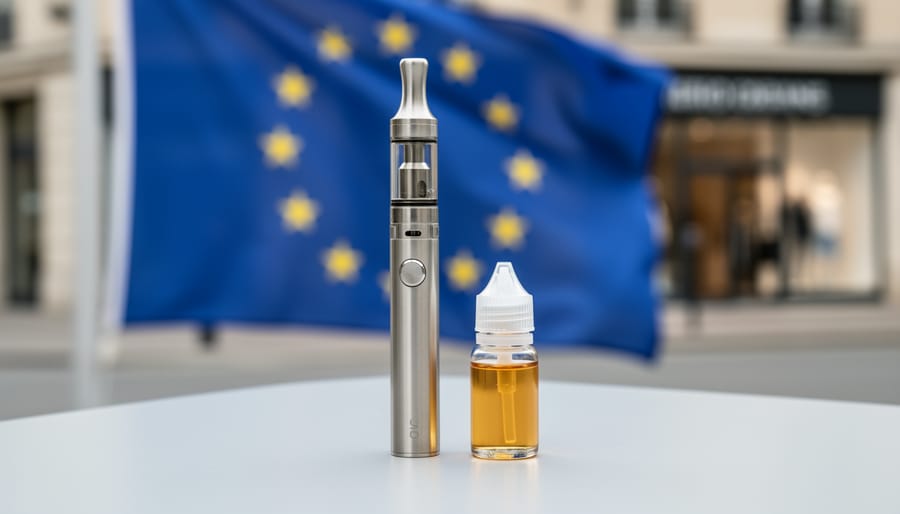
Vaping across Europe is governed by Article 20 of the Tobacco Products Directive (2014/40/EU), a unified regulatory framework that sets strict limits on nicotine strength, tank sizes, and how products can be sold and marketed throughout the EU. If you’re buying, selling, or simply using vaping products anywhere in the European Union, these rules directly shape what’s available on the shelves, from the 10ml bottle cap on e-liquids to the mandatory health warnings on every package.
The Directive puts consumer safety front and center. Maximum nicotine concentration is capped, cartridge and tank volumes are limited, and every product must be child-resistant, tamper-evident, and designed to refill without spillage. Before any manufacturer or importer can place a vaping product on the EU market, they’re required to notify authorities through a standardized electronic system. That means transparency and traceability at every step.
Advertising has changed too. Cross-border promotion of e-cigarettes is banned outright, and packaging must carry health warnings advising that products contain nicotine and shouldn’t be used by non-smokers. Flashy promotional elements? Not allowed. Most member states also restrict sales to adults aged 18 and over, keeping vaping out of the hands of minors.
Whether you’re a beginner trying to understand what you can legally buy or an experienced vaper curious about why your favorite tank holds exactly 2ml, the TPD is the rulebook. The regulations might feel restrictive at times, but they’re designed to keep the European vaping landscape safe, predictable, and accessible. In this guide, we’ll break down exactly how these rules work, what they mean for your daily vaping experience, and how to stay compliant without missing out on quality products.
The Heart of EU Vaping Rules: Article 20 of the Tobacco Products Directive
If you’ve ever wondered why vaping products look and work the way they do across Europe, the answer lies in Article 20 of the Tobacco Products Directive. This piece of EU legislation, formally known as Directive 2014/40/EU, is the legal foundation for how electronic cigarettes are regulated throughout the European Union. It was introduced in 2014 and fully implemented by 2016, responding to the rapid growth of the vaping market and the need for consistent consumer protection standards across all member states.
Before Article 20 came into force, vaping regulations were a patchwork across Europe. Some countries had strict rules, others had virtually none, and vapers crossing borders faced confusion about what was legal where. The Directive changed that by establishing a unified framework that every EU country must follow. Think of it as the rulebook that ensures a vape product sold in Amsterdam meets the same safety standards as one in Athens or Barcelona.
The primary purpose of these rules under Article 20 is twofold: protecting public health and creating a level playing field for businesses. The Directive sets mandatory requirements for everything from nicotine strength and bottle sizes to packaging warnings and product notifications. It’s not about banning vaping, but about making sure the products on shelves are manufactured to reliable standards, properly labeled, and safe to use.
For vapers, this means greater confidence that the products you buy have been vetted and meet baseline quality requirements, regardless of which EU country you’re shopping in. The standardization also makes cross-border shopping more straightforward, since compliant products in one member state will be compliant everywhere else in the EU.
Product Standards: What’s Inside Your Vape
Nicotine Limits and Container Sizes
Under EU rules, every vaping product you buy in Europe must meet strict nicotine strength limits and volume caps designed to standardize safety across all member states. The regulations cap nicotine concentration at 20mg/ml (or 2%) and restrict the size of refill containers and pre-filled cartridges to 10ml maximum. These limits apply to everything from small pod cartridges to bottles of e-liquid you’d use to refill a tank device.
In practical terms, here’s what this means when you’re shopping:
- E-liquid bottles are sold in 10ml containers, so a 50ml total purchase means buying five separate 10ml bottles.
- Pre-filled pods and cartridges can’t exceed 2ml capacity, which is why most disposable or pod systems in the EU are compact.
- Nicotine strength tops out at 20mg/ml, so if you’re used to higher strengths from non-EU markets, you won’t find them here legally.
- Shortfill bottles (larger nicotine-free liquids you mix yourself) exist as a workaround, but they require adding separate nicotine shots within the legal limits.
These restrictions shape the product landscape considerably. You’ll notice smaller bottles stacked on shelves rather than single large containers, and devices engineered to deliver satisfying hits within the 20mg cap. For many vapers, especially those transitioning from smoking, 20mg offers enough nicotine delivery when paired with the right device. The 10ml bottle limit can feel inconvenient if you vape heavily, but it does ensure consistent quality control and traceability across every purchase.
Safety Features: Child-Resistance and Tamper Evidence
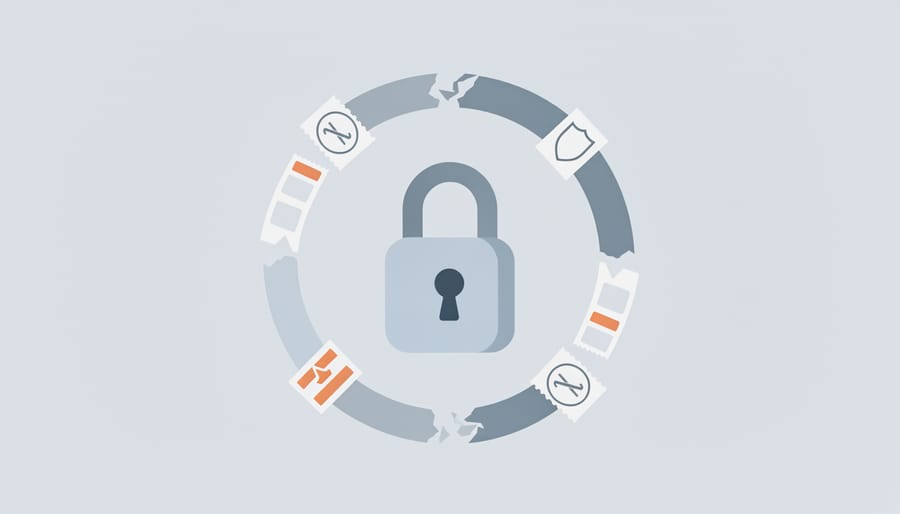
Every e-liquid bottle and refillable cartridge sold legally in the EU must meet strict safety packaging standards designed to protect children and ensure product integrity. These requirements aren’t bureaucratic red tape, they’re practical measures that keep nicotine products out of small hands and guarantee you’re getting an unaltered, safe product every time you buy.
Child-resistant packaging means bottles and cartridges must incorporate mechanisms that make them difficult for young children to open, typically through push-and-twist caps or squeeze-and-turn designs. You’ll notice this immediately when you first crack open a new bottle, it takes deliberate hand coordination that a toddler simply can’t manage. This same principle applies whether you’re buying a 10ml shortfill in Rotterdam or a prefilled pod in Berlin.
Tamper-evident features are equally important. Every compliant product includes seals, breakable caps, or other indicators that show whether the packaging has been opened before purchase. If that seal is broken or missing when you pick up a bottle at your local vape shop, don’t buy it. These features protect you from contaminated or diluted products and confirm you’re getting exactly what the manufacturer intended.
When shopping, check for these two elements on every e-liquid container. The child-resistant mechanism should feel secure but not impossible for an adult to use, and tamper-evidence should be immediately visible and intact. Reputable European vendors understand these aren’t optional extras, they’re baseline safety standards that protect everyone in the vaping community.
Refilling Mechanisms and Spillage Prevention

One of the most practical safety features mandated by EU regulations is the requirement for leak-proof, spillage-free refilling mechanisms. This means that every refillable vape tank or pod system sold in Europe must be designed to let you top up your e-liquid without making a mess. No more sticky fingers, wasted liquid pooling on your desk, or nicotine stains on your favorite shirt.
The rule exists because spillage isn’t just annoying. Concentrated nicotine liquid can be hazardous if it comes into direct contact with skin, especially for children or pets. By requiring manufacturers to build in proper refilling systems, the TPD ensures that the process of adding e-liquid is controlled and safe. You’ll typically see this implemented through top-fill designs with secure caps, silicone gaskets that seal tight, or precision fill ports that guide liquid exactly where it needs to go.
For vapers, this translates to a better overall experience. Modern compliant tanks often feature convenient screw-top mechanisms or sliding refill hatches that open just wide enough to accept a bottle nozzle without exposing the entire chamber. Some designs incorporate anti-spill valves that only open when pressure is applied from a bottle, keeping everything clean and contained. It’s the kind of thoughtful engineering that makes daily vaping smoother and less fiddly.
There’s a certain Dutch practicality to this approach. Why complicate things when smart design can solve the problem? A well-engineered refill system means you spend less time cleaning up and more time enjoying your vape. When you’re shopping for a new device, look for clear refill instructions and secure sealing mechanisms. Compliant products aren’t just following the rules, they’re genuinely easier and safer to use.
Getting Products to Market: The Notification Process
Before a vaping product can land on a shelf anywhere in the EU, manufacturers and importers face a crucial gatekeeper: the product notification system. This isn’t just bureaucratic red tape, it’s the foundation of how European regulators keep tabs on what’s actually being sold to vapers across 27 countries.
Under Article 20, every single e-cigarette device, e-liquid, and component must be registered through a standardized electronic format before it can be legally sold in any EU member state. Manufacturers submit detailed information about the product’s ingredients, emissions, nicotine levels, design features, and safety testing. This data goes into a centralized system that national authorities can access, creating a complete registry of what’s available on the market.
Think of it as a digital passport for vaping products. Without that notification, a product simply cannot be sold legally in the EU, no matter how good it is or how popular it might be elsewhere in the world.
For vapers, this system delivers tangible benefits. It means the mod you’re eyeing or the e-liquid you’re about to buy has been documented and can be traced if something goes wrong. If a product turns out to be defective or unsafe, regulators know exactly who made it, what’s in it, and where it’s being sold. That traceability makes recalls faster and more effective.
The notification requirement also raises the bar for quality. Fly-by-night operators who cut corners are less likely to navigate this process successfully, while established manufacturers with solid safety practices clear the hurdle more easily. It’s not perfect, but it filters out some of the worst actors before products reach consumers.
Packaging, Labeling, and What You’ll See on the Shelf
Mandatory Health Warnings
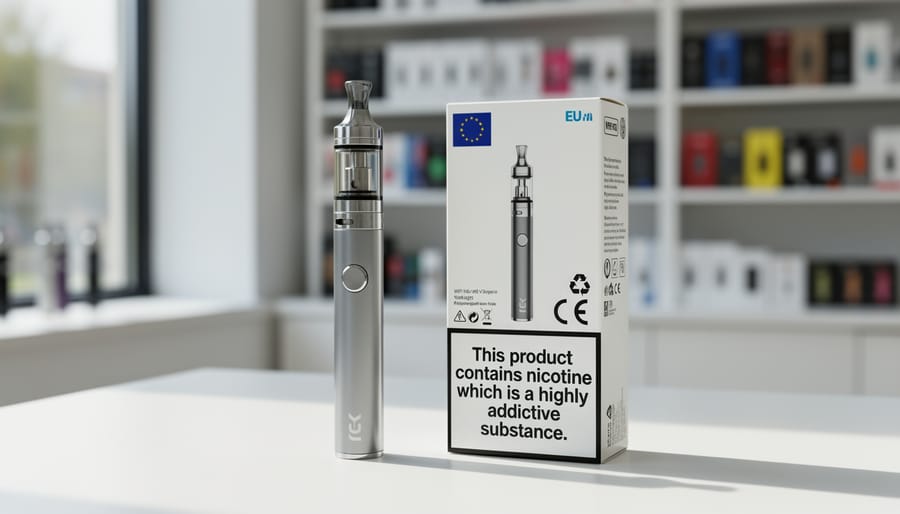
Every vaping product you pick up in the EU carries a clear health warning, it’s not optional, and it’s there for good reason. European regulations require manufacturers to print a standardized warning on all e-cigarette packaging that serves two purposes: informing consumers about nicotine content and discouraging non-smokers from starting.
The warning must state that the product contains nicotine, which is an addictive substance, and explicitly advise that non-smokers should not use it. You’ll find this text printed clearly on the packaging, occupying a significant portion of the surface area to ensure it’s impossible to miss. The exact wording varies slightly across member states due to language differences, but the core message stays consistent: nicotine is addictive, this product isn’t for you if you don’t already smoke or vape.
Placement matters too. The warning must appear on both the unit packet (the box your device or e-liquid comes in) and any outer packaging. It needs to be legible, indelible, and positioned where consumers will see it before making a purchase. Typically, you’ll spot it on the front or side panels, printed in a contrasting color against a plain background so nothing obscures the message.
These warnings aren’t meant to scare seasoned vapers, they’re about transparency and responsible use. For those of us in the vaping community, they’re a reminder that informed choices matter, and they help keep vaping products out of the hands of people who’ve never used nicotine. It’s regulation with a purpose: protecting consumers while respecting adult choice.
No Promotional Elements on Packaging
Walk into any vape shop in Amsterdam and you’ll notice something about the packaging: it’s refreshingly straightforward. That’s no accident. EU regulations explicitly ban promotional or attractive elements on e-cigarette packaging, which means manufacturers can’t use flashy graphics, appealing designs, or persuasive marketing language to catch your eye.
In practice, this translates to plain, functional packaging. Product boxes can’t feature bright colours, lifestyle imagery, or catchy slogans designed to make vaping look glamorous or desirable. You won’t find claims like “smooth taste” or “premium experience” emblazoned across the front, nor will you see cartoon mascots or aspirational photography. The focus shifts from marketing appeal to straightforward product information: what’s inside, nicotine content, and the mandatory health warnings.
This approach mirrors broader vaping ad changes happening across Europe, where the emphasis is on transparency rather than persuasion. For vapers, it means making choices based on actual product specifications and ingredients rather than packaging appeal. While some miss the creative designs, many appreciate the no-nonsense clarity, especially when comparing products side by side. The rule ensures a level playing field where quality and compliance matter more than marketing budgets.
Cross-Border Advertising Ban
The EU’s cross-border advertising ban means vape companies can’t promote their products across national borders within the Union. In practice, this restricts online marketing, social media campaigns, and any promotional activity that reaches consumers in multiple member states simultaneously. You won’t see pan-European vaping ads on websites, sponsored posts targeting multiple countries, or influencer campaigns that cross borders, even though the internet itself knows no boundaries.
This rule exists to prevent a promotional free-for-all that could undermine individual countries’ public health policies. By limiting how companies market vaping products across borders, regulators aim to reduce youth exposure and maintain control over messaging standards. For vape shops, it means localizing marketing efforts: a Dutch retailer’s Instagram campaign must target only Dutch users, and online stores need geo-restricted advertising that respects each country’s boundaries.
The enforcement challenge is real. Digital platforms make it easy to reach audiences everywhere, but compliance requires careful targeting and an understanding of truth in ads rules. Many brands play it safe by running country-specific campaigns with tailored content, which can feel fragmented but keeps them within the law.
Age Restrictions: Who Can Vape in the EU
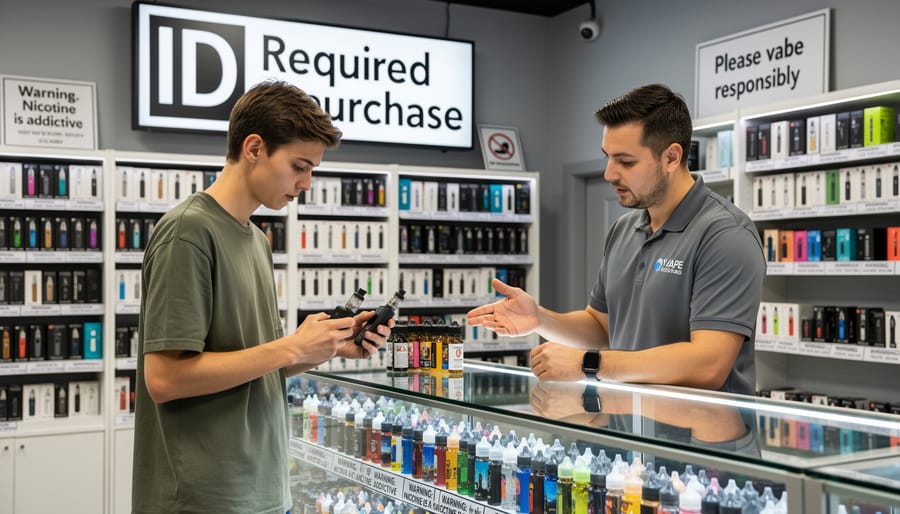
Across the European Union, vaping products are restricted to adults, with most member states setting the minimum purchase age at 18 years or older. This standard mirrors the age limit for traditional tobacco products and reflects a shared policy goal: keeping nicotine-containing products out of the hands of minors while allowing adult smokers and vapers access to safer alternatives.
The 18+ rule applies at the point of sale, whether you’re buying in a brick-and-mortar vape shop in Amsterdam, a tobacconist in Berlin, or ordering online from a retailer based anywhere in the EU. Retailers are legally required to verify age before completing a transaction, and enforcement approaches vary by country. Some member states rely on ID checks at the counter, while others have implemented stricter penalties for non-compliant sellers or introduced mystery shopper programs to test compliance. Online vendors typically use age verification systems that require proof of identity during checkout or delivery.
Why does this matter beyond the legal requirement? Age restrictions protect the vaping community’s reputation and legitimacy. When retailers take age verification seriously, it reinforces the message that vaping products are intended as harm-reduction tools for adult smokers, not recreational novelties for teenagers. It also aligns with broader marketing guidance and regulatory frameworks designed to keep vaping responsible and community-focused.
If you’re an adult vaper traveling or shopping across borders, carry valid ID and expect to show it. Responsible age enforcement benefits everyone who values access to quality vaping products.
How These Regulations Affect Your Vaping Experience
The regulations shape every aspect of your vaping journey, from browsing a shop shelf to ordering online. You’ll notice standardized 10ml bottles instead of larger bulk containers, and your favorite high-nicotine salts capped at 20mg/ml. This means stocking up requires buying multiple bottles rather than one large one, and users who previously vaped stronger concentrations need to adjust their device and usage patterns. The bright side? Every compliant product has undergone notification and meets safety standards, giving you confidence that what vapers need is reliably available across the EU.
Product selection looks different too. You won’t find flashy marketing claims or promotional language on packaging anymore, which keeps the focus on actual product quality rather than hype. Child-resistant caps and tamper-evident seals add an extra step when opening new purchases, but they protect families and reinforce the community’s commitment to responsible use. Devices with leak-proof refilling mechanisms reduce mess and wasted liquid, a practical win that aligns nicely with Dutch sensibilities about good design.
Cross-border shopping within the EU remains straightforward for personal use, though you might notice differences in how strictly member states enforce age verification or advertising rules. Ordering from another EU country usually works fine for your own vaping needs, but expect consistent product standards wherever you buy. The regulations create a level playing field that prioritizes safety without eliminating choice. You still have access to a wide range of devices, flavors, and brands, just within a framework designed to keep products reliable and transparent. Understanding these rules empowers you to make informed decisions and vape with confidence, whether you’re in Amsterdam, Berlin, or Barcelona.
Frequently Asked Questions
Can you travel with your vape across EU borders? Is that bottle from a German online shop legal to use in Portugal? These are the kinds of questions vapers ask when navigating Europe’s unified-yet-varied regulatory landscape. Below, we tackle the most common queries about living with EU vaping rules day-to-day.
Can I travel with my vape between EU countries?
Yes, you can take your vape and e-liquids across EU borders for personal use. Keep containers sealed and comply with airline liquid limits if flying, and bring only what’s reasonable for personal consumption.
Can I buy vaping products online from another EU country?
Absolutely, provided the product meets TPD standards and the seller ships to your country. All compliant products notified in one EU member state can be sold across the bloc, though cross-border advertising restrictions apply.
What happens if I buy a non-compliant product?
Non-compliant products can be seized by customs or market surveillance authorities. Retailers selling them risk fines and removal from sale, so stick with reputable vendors who follow TPD rules.
Do vaping regulations differ between EU member states?
The TPD sets a common baseline, but individual countries can add stricter rules, such as flavour bans, higher age limits, or tighter advertising controls. Check local laws when visiting or ordering from another state.
One question that comes up often is how national marketing rules interact with the EU-wide advertising ban. Understanding the balance between ads vs EU rules helps clarify why you see certain promotions in one country but not another, even within the same online shop.
When it comes to verifying product compliance, look for the health warning label and check that bottles are 10ml or under with a maximum 20mg/ml nicotine strength. Legitimate retailers will stock only notified products, and many display certification information or batch codes you can cross-reference. If a deal seems too good to be true or a product lacks proper labelling, it’s worth questioning whether it meets TPD standards.
For vapers who split their time between multiple EU countries or regularly order from cross-border vendors, the takeaway is simple: the core rules are harmonised, but the devil is in the local details. A product compliant in Amsterdam is compliant in Athens, but Athens might have additional restrictions on where you can vape or which flavours are available. Staying informed about both EU-wide and national regulations keeps your vaping experience smooth, legal, and hassle-free wherever you roam across Europe.
Understanding European vaping regulations isn’t about jumping through hoops, it’s about making smarter choices and being part of a community that values safety without sacrificing enjoyment. The TPD framework gives you a solid foundation: compliant products, clear labeling, and standards you can trust. When you pick up a bottle or device that meets these requirements, you’re not just ticking a regulatory box. You’re supporting a market that prioritizes quality and accountability.
Staying informed keeps you ahead of the curve. Know what’s on the label, understand the nicotine limits, and shop from reputable sources that respect the notification process. These rules aren’t static, and neither is the vaping landscape, so keep your finger on the pulse as things evolve.
Think of it like cycling through Amsterdam: there are rules, sure, but once you know them, you glide through with confidence and style. The regulations create the lanes; you bring the energy and the choice. Vape responsibly, stay curious, and enjoy the ride. The European vaping community thrives when we all play our part, informed, engaged, and unapologetically ourselves.

