
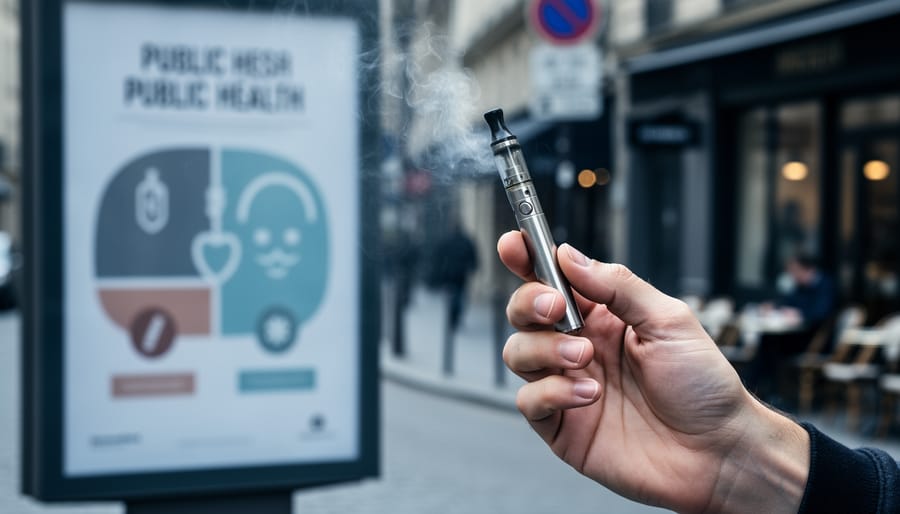
Truth vaping ads are large-scale public health campaigns warning young people about the risks of nicotine addiction and the tactics used by vaping companies to target them. These ads, primarily run by organizations like Truth Initiative in the United States, present vaping as a dangerous trap set by manipulative corporations. Whether you should trust them depends on understanding both what they get right and where their messaging diverges from the more nuanced, harm-reduction approaches common in European health policy.
If you’re a vaper encountering these campaigns, you’re probably wondering if you’ve been duped or if the alarm bells are overblown. The honest answer sits somewhere in the middle, and it’s worth your time to understand the difference between evidence-based concern and advocacy that may oversimplify a complex issue.
Here in Europe, particularly in places like Amsterdam where harm reduction shapes policy, health authorities generally view vaping as significantly less harmful than smoking. They focus on helping smokers quit combustible tobacco while discouraging non-smokers from starting any nicotine use. The messaging you’ll see from European health bodies tends to be more measured: vaping carries risks, especially for young people and non-smokers, but it’s substantially safer than cigarettes for adults trying to quit.
Truth campaigns take a harder line, often portraying all vaping as equally dangerous and emphasizing the risks of nicotine addiction without acknowledging the role vaping plays in smoking cessation. The ads are slick, emotionally compelling, and grounded in real concerns about youth uptake. But they sometimes present a one-dimensional view that can alienate adult vapers who’ve successfully quit smoking and may distrust public health messaging as a result.
Understanding these campaigns means recognizing what’s genuine concern and what’s advocacy framing.
What Are Truth Vaping Ads and Why Are They Everywhere?
Truth vaping ads trace their roots to the groundbreaking truth anti-tobacco campaign that launched in the United States, which successfully used bold, unfiltered messaging to expose tobacco industry practices. The newer vaping-focused iterations adapt this model, targeting what public health officials see as a new generation at risk of nicotine addiction.
Unlike traditional anti-smoking campaigns that relied heavily on shock tactics and graphic health warnings, truth vaping ads emphasize transparency about ingredients, industry marketing tactics, and what’s actually known versus unknown about vaping’s health effects. They position themselves as truth-tellers cutting through what they characterize as misleading industry claims, particularly around youth marketing and so-called “safer” alternatives.
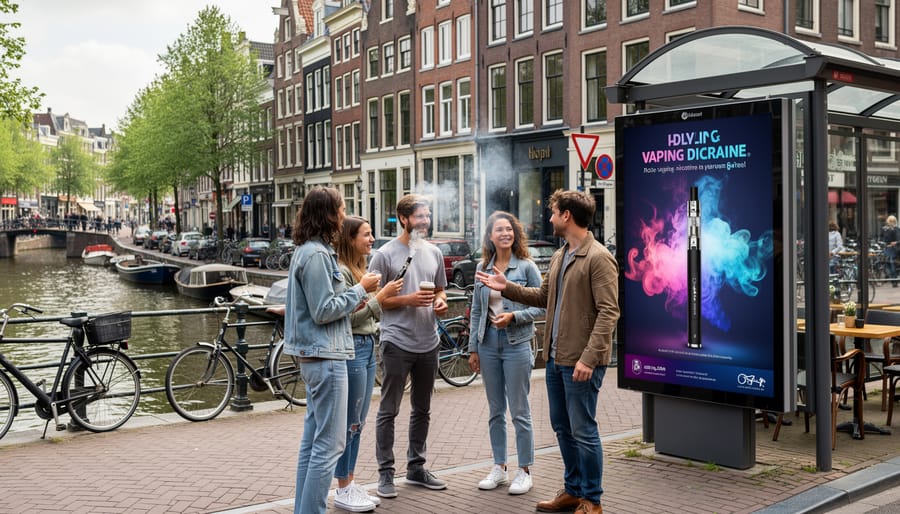
The explosion of these campaigns across Europe reflects mounting concern among health authorities about rising vaping rates, especially among young people. You’ll spot them on social media feeds, YouTube pre-rolls, public transport advertising, and increasingly in targeted digital campaigns that pop up wherever younger audiences spend time online. The messaging adapts to local contexts while maintaining core themes: question what you’re inhaling, recognize manipulative marketing, and understand that “not as bad as cigarettes” doesn’t mean risk-free.
What makes these ads particularly visible now is their sophisticated digital strategy. They deploy the same social media tactics and influencer-style content that vaping brands use, creating a mirror-image campaign in spaces where traditional public health messaging rarely penetrated. Short-form videos, memes, and shareable content replace the lecturing tone of older anti-smoking efforts.
The campaigns also tap into broader skepticism about corporate transparency, framing vaping companies alongside Big Tobacco as industries prioritizing profits over public health. This narrative resonates particularly in markets where vaping regulations remain inconsistent and product quality varies dramatically, raising legitimate questions about what vapers are actually consuming.
The Dutch Perspective: How Amsterdam Vapers Are Responding
The Dutch approach to vaping has always leaned toward pragmatism over panic, and that mindset shapes how Amsterdam’s vaping community receives truth campaigns. Walk into any vape shop in the city center and you’ll hear a familiar refrain: education beats fear-mongering every time.
Netherlands health policy traditionally favors harm reduction, a philosophy that accepts people will engage in risky behaviors and focuses on minimizing damage rather than demanding abstinence. This framework guided the country’s progressive drug policies for decades, and it influences how Dutch vapers view anti-vaping messaging. Many in the community see vaping as a harm reduction tool for smokers, making blanket warnings feel disconnected from their lived experience.
Local vape shop owners report that customers increasingly arrive with questions sparked by public health campaigns. Rather than driving people away from vaping entirely, these ads often prompt conversations about product quality, nicotine levels, and safer practices. One Amsterdam retailer noted that after European health campaigns intensified, more customers asked about regulated products and reputable manufacturers, a silver lining that suggests the messaging can work when it encourages informed choices rather than total avoidance.
The cultural gap becomes clear when comparing Dutch reactions to approaches in other markets. While some countries frame vaping primarily as a youth epidemic requiring aggressive intervention, Dutch vapers tend to view it through the lens of adult choice and tobacco cessation. This doesn’t mean dismissing health concerns, rather, it reflects a belief that accurate information empowers better decisions than scare tactics.
Community forums and local vaping groups in the Netherlands show measured skepticism toward campaigns that ignore the smoking cessation context. Many Dutch vapers switched from cigarettes and bristle at messaging that equates their current habit with their former one. They argue that effective education should acknowledge the comparative risk profile, not lump all nicotine delivery systems together.
That said, the community isn’t dismissive of all campaign messaging. Concerns about youth access, product quality standards, and long-term research gaps resonate widely. Dutch vapers generally support age restrictions and quality regulations, they just prefer these measures come wrapped in nuance rather than alarmism. The response reflects a broader cultural tendency: meet people where they are, provide honest information, and trust them to make reasonable choices.
Separating Fact from Fear: What the Ads Get Right (and Wrong)
Health Claims Worth Paying Attention To
Even truth campaigns rooted in advocacy rather than pure science can point to real concerns vapers shouldn’t dismiss. Nicotine addiction tops that list. Vaping delivers nicotine efficiently, and regular use can absolutely lead to dependence. That’s not scaremongering; it’s pharmacology. If you find yourself reaching for your device the moment you wake up or feel anxious without it, you’re experiencing the same cravings smokers face. The evidence on vaping dependence shows patterns similar to combustible tobacco, particularly among daily users and those who started young.
Unknown long-term effects also deserve attention. Vaping as we know it has only existed widely since the mid-2010s, so we genuinely lack decades of data on chronic use. Truth ads highlight this uncertainty correctly. We don’t yet have comprehensive studies tracking vapers over 30 or 40 years the way we do with smokers. That doesn’t mean vaping carries identical risks to smoking; current evidence suggests it’s substantially less harmful. But honest assessment requires acknowledging what we don’t know alongside what we do.
The quality-control angle matters too. Not all vape products meet the same standards. Issues with contaminated cartridges, unlicensed liquids, and poorly manufactured devices occasionally surface, and campaigns rightly warn about risks from unregulated sources. Buying from reputable suppliers who test their products isn’t paranoia; it’s common sense.
These concerns aren’t reasons to panic, but they are reasons to stay informed and make deliberate choices about what you use and how often.
Where the Messaging Gets Murky
Some truth campaigns lean heavily on emotion, showing images of hospitalized young people or breathless teens, without always unpacking the full story. It’s effective for grabbing attention, but it can blur the line between correlation and causation. When an ad shows a teenager with lung damage, does it specify whether that person used nicotine vapes, THC cartridges, or black-market products? Often the distinction gets lost, leaving viewers with the impression that all vaping carries the same catastrophic risk.
Another murky area is the tendency to treat vaping and smoking as equivalent threats. While both involve inhalation and nicotine, the harm profiles differ dramatically. Combustible tobacco kills through tar and thousands of toxic chemicals generated by burning; vaping eliminates combustion entirely. Truth ads sometimes sidestep this reality, framing the conversation around addiction alone without acknowledging that many adult vapers switched precisely to reduce their exposure to smoking’s well-documented harms.
Context also disappears when campaigns cherry-pick data. You might hear that vaping increases the risk of trying cigarettes among teens, a real concern, but miss that overall youth smoking rates have continued to decline even as vaping rose. Or an ad might spotlight a single ingredient like diacetyl without noting it appears at much higher levels in cigarette smoke, which the campaign is ostensibly fighting against.
The problem isn’t that truth ads raise questions; it’s that they sometimes raise them incompletely. Vapers deserve messaging that respects nuance, acknowledging risks while recognizing harm reduction, not just fear without proportion. When the goal becomes stopping all nicotine use rather than preventing the deadliest form of it, the messaging loses its grounding in public health evidence.

How These Ads Are Shaping Vaping Regulations in Europe
Public health campaigns don’t just change minds, they change laws. Truth vaping ads have become more than awareness initiatives; they’re reshaping how regulators think about vaping across Europe, and that affects everything from product availability to where you can vape in Amsterdam.
The European Union treats vaping as a regulated middle ground between unrestricted consumer products and pharmaceutical-grade therapies. EU rules under the TPD (Tobacco Products Directive) set limits on nicotine strength, tank sizes, and advertising, a framework designed to balance access for adult smokers seeking alternatives with precautionary public health measures. These regulations emerged partly from the same public health concerns that drive anti-vaping campaigns, creating a feedback loop where messaging influences policy, which then shapes what products reach consumers.
The Netherlands occupies an interesting position in this landscape. Dutch policymakers historically favour pragmatic harm reduction over outright prohibition, the same philosophy behind regulated cannabis sales in coffeeshops. That means vaping regulations here tend to focus on quality control and age restrictions rather than blanket bans. Yet international anti-vaping campaigns still pressure national governments to tighten restrictions, particularly when youth vaping becomes headline news.
Some European countries have moved beyond EU baselines in response to campaign pressure. Belgium prohibits all vaping flavours except tobacco, and several Nordic countries treat vapes like prescription products. These stricter approaches often cite public awareness campaigns as justification, arguing that mounting concern about nicotine products demands stronger action.
The Dutch government has so far resisted the most restrictive measures, but that doesn’t mean immunity from influence. Recent discussions about limiting flavoured products and restricting online sales gained traction partly because advocacy campaigns framed flavours as youth magnets. Even in a country comfortable with regulated adult choices, the political calculus shifts when campaigns successfully link products to adolescent use.
For vapers, this regulatory dance matters practically. Stricter rules mean fewer product options, higher prices through increased compliance costs, and potentially limited access to harm reduction tools. Understanding how public health messaging translates into policy helps you anticipate changes and engage meaningfully when regulations affecting your choices come up for debate.

What This Means for Your Vaping Experience
At the end of the day, these campaigns don’t have to dictate your choices, but they should prompt you to think harder about them. The truth ads aren’t going anywhere, and neither is the noise around vaping. What matters is how you cut through it.
Start by treating every health claim you see, whether it’s in a slick ad or a Reddit thread, with the same critical eye. Ask yourself: where’s this information coming from? Is it backed by research, or is it relying on fear and vague warnings? When you see sweeping statements about vaping dangers, dig into whether they’re comparing vaping to smoking cessation or treating it as a standalone threat. Context changes everything.
Your product choices matter more now than ever. Stick with reputable vendors who are transparent about ingredients, testing and manufacturing standards. In the Netherlands, you’ve got access to shops that take quality seriously, use that advantage. Avoid mystery liquids, knockoff devices and anything that sounds too good to be true. If a product claims to be completely harmless or markets itself primarily to non-smokers, that’s a red flag.
Stay plugged into reliable sources. Follow European public health updates, check in with harm reduction organizations, and keep an eye on what the Dutch health authorities are saying. The vaping landscape shifts constantly, and yesterday’s consensus might not hold tomorrow. Communities like ours thrive when we share what we learn and challenge what doesn’t add up.
This isn’t about ignoring legitimate concerns. Nicotine is addictive, long-term data is still emerging, and no one’s claiming vaping is risk-free. But informed decisions beat knee-jerk reactions every time. You’re capable of weighing the evidence, understanding your own relationship with nicotine, and making choices that fit your situation. The truth campaigns want to shape how you think about vaping, make sure you’re the one actually in control of that narrative.
Truth vaping ads aren’t going anywhere, and honestly, that’s not necessarily a bad thing. They’ve sparked conversations that the vaping community needed to have, even if the messaging doesn’t always land perfectly. What matters most is how we engage with that information.
Here in Amsterdam, we’ve always approached things a bit differently. The Dutch mindset values pragmatism over panic, and that same philosophy should guide how you think about these campaigns. Don’t dismiss them outright, but don’t accept every claim at face value either. Question the narrative, dig into the research yourself, and make choices based on what makes sense for your situation.
The best defence against misleading information is a well-informed community. Stay curious about emerging research, talk openly with fellow vapers about what you’re seeing and experiencing, and support shops and brands that prioritize transparency and quality. The regulatory landscape will keep shifting, and these campaigns will evolve, but your ability to think critically won’t.
At the end of the day, harm reduction is about making better choices, not perfect ones. Truth vaping ads might oversimplify or exaggerate at times, but they also remind us that vaping isn’t risk-free. That’s worth acknowledging without losing sight of why many of us chose vaping in the first place. Keep the conversation going, stay informed, and trust yourself to navigate the noise.


