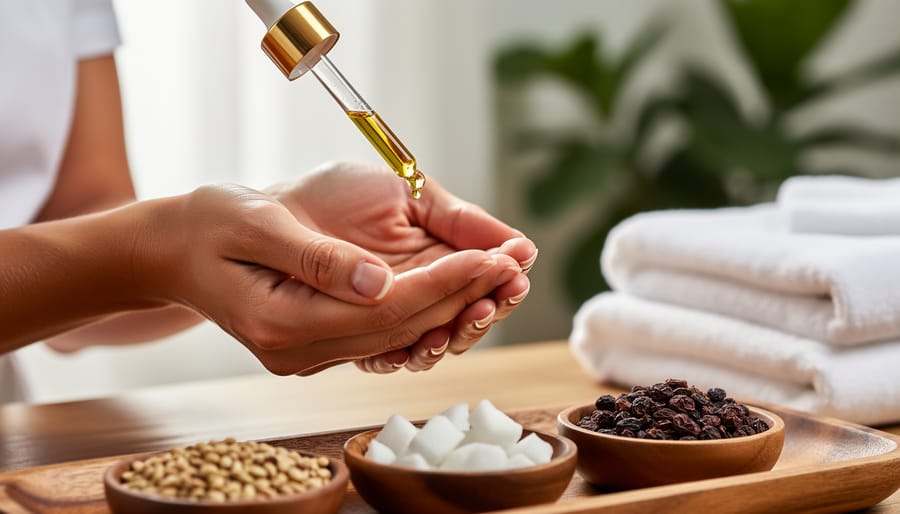
Quality matters when selecting CBD oil for massage, and the difference between premium and substandard products comes down to three verifiable factors: extraction method, third-party lab testing, and carrier oil composition. CO2 extraction produces cleaner CBD without chemical residues, while lab certificates confirm cannabinoid concentration and verify the absence of contaminants like pesticides or heavy metals.
Check product labels for full-spectrum, broad-spectrum, or isolate designations, as each delivers different cannabinoid profiles that affect how the oil performs during massage application. Full-spectrum contains trace amounts of other hemp compounds, broad-spectrum removes THC entirely, and isolate provides pure CBD alone.
Examine carrier oils carefully, since they determine absorption rates and skin compatibility. Jojoba, coconut, and grapeseed oils each offer distinct textures and penetration characteristics that influence massage effectiveness.
Reputable manufacturers display batch-specific certificates of analysis directly on their websites, providing transparency about what you’re actually purchasing. Products lacking this documentation or making exaggerated claims about results should raise immediate concerns about quality standards and manufacturing integrity.
Understanding CBD Oil Quality: What ‘Quality’ Actually Means
When you’re selecting CBD oil for massage purposes, understanding what separates a quality product from a subpar one can feel overwhelming. Let’s break down the key factors that determine CBD oil quality in straightforward terms that anyone can grasp.
The foundation of quality CBD oil starts with how it’s extracted from the hemp plant. CO2 extraction is considered the gold standard because it produces a clean, solvent-free product without leaving behind potentially harmful chemical residues. This method uses pressurized carbon dioxide to pull CBD and other beneficial compounds from the plant material. While it’s more expensive than solvent-based extraction, the purity difference is significant for products you’re applying directly to your skin.
Understanding common quality terms makes product selection much easier:
- Full-spectrum CBD
- Contains all naturally occurring compounds from the hemp plant, including trace amounts of THC (typically under 0.3%). This creates what some call an “entourage effect” where compounds work together.
- CBD Isolate
- Pure CBD with all other plant compounds removed. It’s odorless, flavorless, and contains no THC whatsoever.
- CO2 Extraction
- A solvent-free extraction method using pressurized carbon dioxide that preserves beneficial compounds while avoiding chemical residues.
- Certificate of Analysis (COA)
- A laboratory document verifying the product’s CBD content, purity, and absence of contaminants like pesticides, heavy metals, and mold.
- Third-party Testing
- Independent laboratory verification that confirms what’s on the label matches what’s in the bottle, following established third-party certification standards.
Concentration levels also matter significantly. CBD oil products typically display milligrams of CBD per bottle or milliliters per serving. For massage applications, you’ll generally see concentrations ranging from 300mg to 1500mg per bottle. Higher concentrations don’t automatically mean better results, but they do affect how much product you’ll need during each massage session.
Third-party testing represents perhaps the most crucial quality marker. Reputable manufacturers provide easily accessible Certificates of Analysis (COAs) that verify their product’s contents and purity. These documents confirm the actual CBD concentration and ensure the absence of contaminants like pesticides, heavy metals, solvents, and microbial impurities. If a brand doesn’t readily share these certificates, that’s a significant red flag worth noting before purchase.
How CBD Oil Works When Applied to Skin
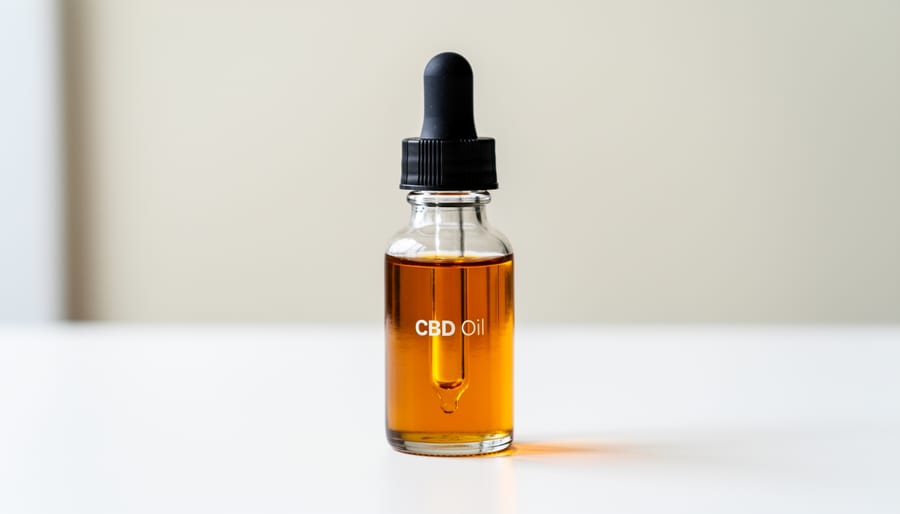
When CBD oil is applied to skin during a massage, it begins a fascinating journey through your body’s layers. The process starts with absorption through the epidermis, where cannabidiol molecules work their way through the skin’s natural barrier. Unlike ingested CBD, topically applied oil doesn’t enter your bloodstream in significant amounts. Instead, it remains localized in the area where it’s applied.
Your skin contains an extensive network of cannabinoid receptors, part of what scientists call the endocannabinoid system. When CBD molecules reach these receptors, they interact with cannabinoid receptors embedded in skin cells, muscles, and surrounding tissues. This interaction is purely mechanical—think of it like keys fitting into locks throughout your skin’s surface.
Absorption rates vary considerably based on several factors. Carrier oils play a crucial role here. Quality formulations using MCT oil or hemp seed oil as carriers typically penetrate more effectively than basic mineral oils. The warmth and friction from massage techniques also influence how quickly CBD molecules move through skin layers. Massaging the oil in circular motions creates heat and temporarily increases blood flow to the area, which can enhance local absorption.
The molecular size of CBD is small enough to pass through the stratum corneum, your skin’s outermost protective layer. From there, it disperses into deeper dermal layers where these cannabinoid receptors are concentrated. The process takes time—typically between 20 to 45 minutes for initial absorption, though the oil continues working for hours afterward.
Understanding this mechanism helps explain why quality matters so much. Pure, well-formulated CBD oil with appropriate carrier oils and adequate cannabidiol concentration creates better conditions for this absorption process. Lower-quality products with minimal CBD content or poor carrier oils simply don’t provide enough active molecules to make meaningful contact with those skin receptors.
Choosing CBD Oil Specifically for Massage Use
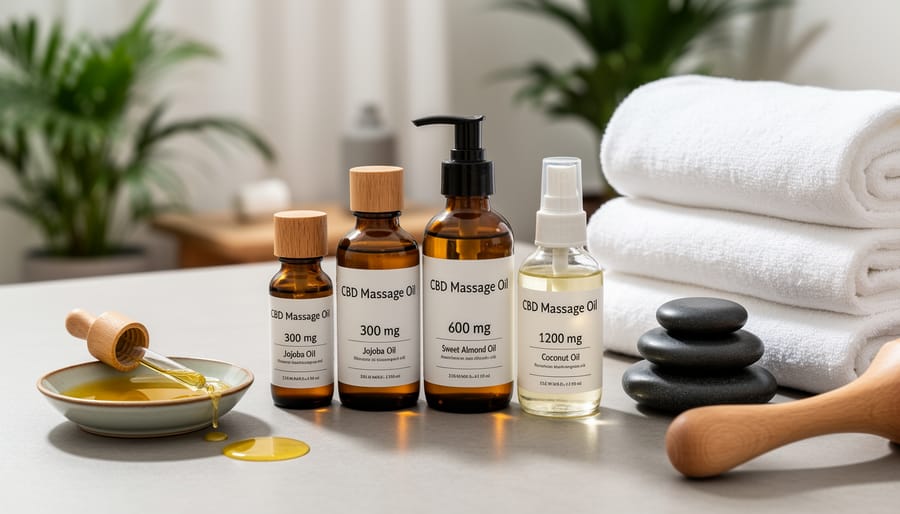
Carrier Oils and Their Role
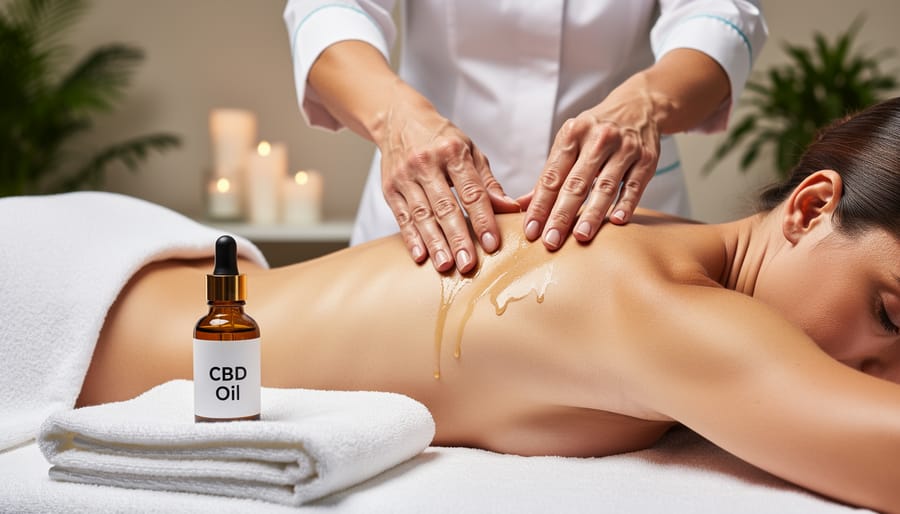
The carrier oil in your CBD massage product matters more than you might think. It’s essentially the vehicle that delivers CBD to your skin while providing its own unique massage experience.
Coconut oil (often fractionated MCT) is popular for good reason. It absorbs relatively quickly without leaving excessive residue, making it comfortable for extended massage sessions. The lighter texture works well for general application.
Hemp seed oil offers a natural pairing with CBD since they’re from the same plant family. It has a slightly thicker consistency and earthy aroma that some users prefer. The absorption rate sits somewhere in the middle, providing decent glide during application.
Jojoba oil closely mimics your skin’s natural oils, which many find pleasant for massage work. It tends to absorb more slowly, allowing for longer working time during application.
Different carrier oils influence how the product feels on skin and how long it takes to absorb. Some manufacturers blend multiple carriers to balance these characteristics. When selecting a product, consider whether you prefer faster absorption or extended glide time during application. Quality products clearly list their carrier oil composition, giving you the information needed to choose what suits your preferences.
Reading Labels and Avoiding Low-Quality Products
Reading labels properly helps you spot quality CBD oils and avoid disappointing purchases. Start with the CBD concentration—legitimate products clearly state the total milligrams per bottle, not vague terms like “hemp extract” without specifics. Full-spectrum, broad-spectrum, or isolate should be mentioned, letting you know what cannabinoids you’re getting.
Check for third-party lab testing results, often shown as a QR code or website link on the label. Reputable brands make these certificates of analysis readily available, showing cannabinoid content and confirming the absence of contaminants like heavy metals, pesticides, and residual solvents.
The ingredient list matters too. Quality massage oils combine CBD extract with carrier oils like coconut, jojoba, or sweet almond oil. Be wary of products with lengthy lists of synthetic additives or fragrance compounds that could irritate skin.
Red flags include exaggerated marketing language, missing manufacturer information, or prices that seem too good to be true. Products making specific health claims beyond general wellness should raise concerns, as quality brands stick to accurate, measured descriptions of their offerings. When suppliers are transparent about sourcing, extraction methods, and testing, you’re likely dealing with a trustworthy product.
Professional vs. At-Home CBD Oil Massage
When considering a CBD oil massage, you’ll need to decide between visiting a professional therapist or creating your own experience at home. Both options have distinct advantages, and understanding the differences can help you choose what fits your lifestyle and budget.
| Setting | Application Technique | Product Selection | Cost Considerations |
|---|---|---|---|
| Professional Spa/Clinic | Expert pressure points, body mechanics knowledge, specialized techniques | Pre-selected by therapist, professional-grade oils | €60-150 per session |
| At-Home Application | Basic self-massage or partner assistance, learning curve required | Your choice from retail options, requires research | €20-60 per bottle (multiple uses) |
Professional massage therapists bring valuable expertise to the experience. They understand muscle structure, appropriate pressure levels, and proper massage sequences that maximize the benefits of the CBD oil carrier. Many European wellness centers now offer CBD-enhanced massage services, with therapists trained specifically in applying these products. The main advantage here is the comprehensive approach, as practitioners know exactly where to focus attention and how much product to use for optimal skin absorption.
The at-home route offers flexibility and economy over time. While you’ll miss the expert touch, self-application allows you to use CBD massage oil whenever desired without booking appointments. The learning process involves understanding basic massage strokes and determining how much oil your skin absorbs comfortably. Many people start with simple techniques for accessible areas like arms, legs, and neck before progressing to more complex applications.
Product selection differs significantly between settings. Professional therapists typically use commercial-grade CBD oils specifically formulated for massage therapy, often with complementary carrier oils and natural additives. When purchasing for home use, you’ll need to research quality indicators yourself, including CBD concentration, carrier oil quality, and third-party testing verification.
Cost-wise, professional sessions represent a premium experience with immediate expertise, while home application requires upfront product investment but provides better long-term value for regular users. Consider starting with one professional session to understand the technique before transitioning to home use if budget is a concern.
Common Questions People Ask Before Trying CBD Oil Massage
Before incorporating CBD oil into your massage routine, it’s natural to have questions about what to expect. Here are the most common concerns people raise.
What will it feel like during the massage? CBD oil applies much like any quality massage oil—it absorbs into the skin smoothly without leaving a greasy residue. You won’t experience any psychoactive effects, as quality CBD products contain negligible THC levels. Many users describe a subtle sense of relaxation during application, though individual experiences vary considerably.
How long do the effects last? The duration depends on several factors including the CBD concentration, application area, and your individual body chemistry. Generally, people report noticing effects within 15-45 minutes of application, with sensations potentially lasting several hours. Think of it like choosing the right product for your needs—quality matters more than quantity.
Can CBD oil cause skin reactions? While CBD itself is generally well-tolerated, some people may react to carrier oils or other ingredients in the formulation. Common carriers include coconut oil, jojoba oil, or hemp seed oil. If you have sensitive skin or known allergies, reviewing the complete ingredient list is essential before use.
How should I test a new product safely? Start with a patch test—apply a small amount to your inner forearm and wait 24 hours to check for reactions. Begin with lower CBD concentrations and gradually increase if needed. This cautious approach helps you understand how your body responds without committing to a full-body application.
Always purchase from reputable suppliers who provide third-party lab testing results, ensuring you’re getting exactly what’s listed on the label.
Selecting quality CBD oil for massage doesn’t need to be overwhelming. Focus on the essentials: look for third-party lab testing, clear labeling with CBD concentration details, and extraction methods that preserve the plant’s natural compounds. Organic certification and transparent sourcing practices are solid indicators you’re dealing with a reputable brand rather than a questionable product.
Start conservatively with your first experience. Choose a moderate concentration, perform a small patch test, and pay attention to how your skin responds during and after application. Everyone’s experience differs based on individual body chemistry, skin sensitivity, and personal preferences. What works beautifully for one person might feel entirely different for another, and that’s completely normal.
Quality matters significantly when you’re applying products directly to your skin. Investing in properly tested, well-formulated CBD massage oil gives you peace of mind and a more enjoyable experience overall. Take time to research brands, read verified customer reviews, and don’t hesitate to reach out to manufacturers with questions about their products. Your body will guide you toward what feels right, so listen to those signals and adjust accordingly.